Sunday, 13 October 2013

Destination Wedding Dresses Mehndi For Men For Girls White Pictures For Boys Images Wallpapers Pics

Destination Wedding Dresses Definition

Source link (google.com.pk)
(Many wedding dresses in China, India (wedding sari) and Vietnam (in the traditional form of the Ao dai) are colored red, the traditional color of good luck and auspiciousness. Nowadays, many women choose other colors besides red. In modern mainland Chinese weddings, the bride may opt for Western dresses of any color, and later on a traditional costume for the official tea ceremony.

In modern Taiwanese weddings, the bride generally picks red (following Chinese tradition) or white (more Western) silk for the wedding gown material, but most will wear the red traditional garmet for their formal wedding banquets

Chiffon Wedding Dresses Mehndi For Men For Girls White Pictures For Boys Images Wallpapers Pics

Chiffon Wedding Dresses Definition

Source link (google.com.pk)
Photos public domain. Files from the Wikimedia Commons, further information on the description pages 1, 2, 3)

Photo 1: Lady Forrest 1876, Victorian style dress
Photo 2: The woman to the far right is wearing a typical wedding dress from 1929. Up until the late 1930's, wedding dresses reflected the styles of the day. From that time onward, wedding dresses have traditionally been based on Victorian styles.
Photo 3: Apache bride
 

Wedding dresses have traditionally been based on the popular styles of the day. For example, in the 1920s, wedding dresses were typically short in the front with a longer train in the back and were worn with cloche-style wedding veils. This tendency to follow current fashions continued until the late 1940s, when it became popular to revert to long, full-skirted designs reminiscent of the Victorian era. Although there has always been a style that dominates the bridal market for a time, and then shifts with the changes in fashion, a growing number of modern brides are not choosing to follow these trends. This is due in large part to non-traditional and non-first-time weddings, and women who are marrying later in life.

Today, Western wedding dresses are usually white, though "wedding white" includes shades such as eggshell, ecru and ivory. 

Mary, Queen of Scots, wore a white wedding gown in 1559 when she married her first husband, Francis Dauphin of France because it was her favorite color, although white was then the color of mourning for French Queens. The first documented instance of a princess who wore a white wedding gown for a royal wedding ceremony is that of Philippa of England, who wore a tunic with a cloak in white silk bordered with grey squirrel and ermine in 1406

White did not become a popular option until 1840, after the marriage of Queen Victoria to Albert of Saxe-Coburg. Victoria wore a white gown for the event to incorporate some lace she prized. The official wedding portrait photograph was widely published, and many other brides opted for white in accordance with the Queen's choice

The tradition continues today in the form of a white wedding, though prior to the Victorian era, a bride was married in any color, black being especially popular in Scandinavia. Later, many people assumed that the color white was intended to symbolize virginity, though this was not the original intention. (It was the color blue that was connected to purity.) The white gown is in fact a symbolic Christening gown. It is a variation of the white surplice worn in the Western Catholic tradition by members of the clergy, church choirs and servers and the gowns worn by girls celebrating their first communion and at their confirmation and also by women making religious vows. Jews have gone to great lengths ] to follow  these Western (Judeo-Christian) customs, whilst adhering to the laws of Tzniut. Today, the white dress is understood merely as the most traditional and popular choice for weddings.
 The indigenous peoples of the Americas have varying traditions related to weddings and thus wedding dresses. A Hopi bride traditionally would have her garments woven by the groom and any men in the village who wished to participate. The garments consisted of a large belt, two all-white wedding robes, a white wedding robe with red stripes at top and bottom, white buckskin leggings and moccasins, a string for tying the hair, and a reed mat in which to wrap the outfit. This outfit also would serve as a shroud, since these garments would be necessary for the trip through the underworld.
A Pueblo bride wore a cotton garment tied above the right shoulder, secured with a belt around the waist.
In the traditions of the Delaware, a bride would wear a knee-length skirt of deerskin and a band of wampum beads around her forehead. Except for fine beads or shell necklaces, the body would be bare from the waist up. If it were a winter wedding, she would wear deerskin leggings and moccasins and a robe of turkey feathers. Her face would be painted with white, red and yellow clay.
The tribes of Northern California (which include the Klamath, the Modoc and the Yurok) had a traditional bridal dress woven in symbolic colors: white for the east, blue for the south, yellow (orange) for the west; and black for the north. Turquoise and silver jewelry were worn by both the bride and the groom in addition to a silver concho belt. Jewelry was considered a shield against evils including hunger, poverty and bad luck.
Chiffon Wedding Dresses  Mehndi For Men For Girls White Pictures For Boys Images Wallpapers Pics


Chiffon Wedding Dresses  Mehndi For Men For Girls White Pictures For Boys Images Wallpapers Pics

Chiffon Wedding Dresses  Mehndi For Men For Girls White Pictures For Boys Images Wallpapers Pics

Chiffon Wedding Dresses  Mehndi For Men For Girls White Pictures For Boys Images Wallpapers Pics

Chiffon Wedding Dresses  Mehndi For Men For Girls White Pictures For Boys Images Wallpapers Pics

Chiffon Wedding Dresses  Mehndi For Men For Girls White Pictures For Boys Images Wallpapers Pics

Chiffon Wedding Dresses  Mehndi For Men For Girls White Pictures For Boys Images Wallpapers Pics

Chiffon Wedding Dresses  Mehndi For Men For Girls White Pictures For Boys Images Wallpapers Pics

Chiffon Wedding Dresses  Mehndi For Men For Girls White Pictures For Boys Images Wallpapers Pics

Chiffon Wedding Dresses  Mehndi For Men For Girls White Pictures For Boys Images Wallpapers Pics

Chiffon Wedding Dresses  Mehndi For Men For Girls White Pictures For Boys Images Wallpapers Pics


Wedding Dresses Designers Mehndi For Men For Girls White Pictures For Boys Images Wallpapers Pics

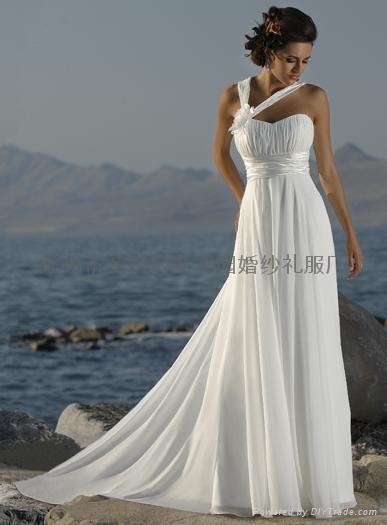
Wedding Dresses Designers Definition

Source link (google.com.pk)
In ancient times, weddings were based out of commodity, rather than desire or love. In fact, the word "wedding" implies the security the groom's family provides to the family of the bride when the couple marries. Additionally, brides were chosen based on their economic worth. The wedding had little to do with love. This trend lasted until the 19th Century, when couples started to marry for love.

During the 19th Century in America, weddings were usually small family gatherings at the home of either the parents of the bride or the parents of the groom. The ceremonies were intimate and not elaborate. The announcement of the newly married couple took place at their church on the Sunday following the wedding. Weddings did not become elaborate until the 1820s and 1830s, when upper class couples would have wedding ceremonies similar to what is common today. Brides usually wore the best dress she owned, so her dress was not always white, as white dresses were impractical to own. Not until the middle of the 19th century did brides start buying a dress made specifically for her wedding day. At the same time, couples began to hire professionals to prepare floral arrangements and wedding cakes, rather than making them at home.

Today, couples in the United States are waiting later in life to get married. The average age for males getting married in the United States is 27 years old, whereas, women's average age is 25.
The saying, "Something old, something new, something borrowed, something blue, and a silver sixpense inside your shoe," dates back to the Victorian era and requires the bride to accessorize her wedding attire in certain ways to promote good luck in her new marriage. Many brides in the U.S. do this for fun. The "old" is supposed to represent the past, particularly the bond between the bride and her family. The bride might choose to wear a piece of jewelry from one of her elders, or another accessory given to her from an older relative. The "new" represents the couple getting married and their future together. Usually, the bride's wedding gown or wedding ring is used as a new item. "Something borrowed" is something that is taken from the families and meant to be returned. By borrowing something, the bride is continuing the link between herself and her family to maintain loyalty and future comfort. The borrowed item must come from a happily married woman in order to pass on marital happiness onto the new couple. "Something blue" represents the bride's faithfulness and loyalty. Easy ways to incorporate the color blue is for the bride to wear blue flowers in her hair or a blue garter. The silver sixpense is meant to be tucked into the bride's shoe and is supposed to bring the new couple wealth in money and love in their new life together.

Many brides today choose to wear white bridal dresses at their weddings. However, brides before the 19th century just wore the best dress they owned. It wasn't until the 1840s, when Queen Victoria popularized white bridal dresses by choosing to wear white instead of the traditional royal silver dress.

Brides often accompany their white wedding dresses with a veil. Sometimes seen as an accessory today, the veil has a history of symbolizing a bride's modesty and innocence, namely her virginity
Many brides have bridal showers before their wedding, during which she receives gifts from the guests. The bridal shower is usually thrown by the bride's chosen maid of honor and is humorous in nature.] Although it is often seen as a fun and relaxing time for the bride, it wasn't always seen that way. Bridal showers originated in Holland for brides who were refused dowry from their fathers. A woman's friends would give her several gifts to allow her to have the necessary dowry to marry whatever man she chose.

Many couples will make precautions so that they will not be able to see each other before their wedding ceremony. Today, this is done merely to uphold tradition and superstition, but the idea stems from the early days when marriages were arranged. In these cases, the bride and groom would meet each other for the first time at their own wedding.
A wedding dress or wedding gown is the clothing worn by a bride during a wedding ceremony. Color, style and ceremonial importance of the gown can depend on the religion and culture of the wedding participants. Most brides choose a dress of white to symbolize purity of the soul.


Weddings performed during and immediately following the Middle Ages were often more than just a union between two people. They could be a union between two families, two businesses or even two countries. Many weddings were more a matter of politics than love, particularly among the nobility and the higher social classes. Brides were therefore expected to dress in a manner that cast their families in the most favorable light, for they were not representing only themselves during the ceremony. Brides from wealthy families often wore rich colors and exclusive fabrics. It was common to see them wearing bold colors and layers of furs, velvet and silk.

Over the centuries, brides continued to dress in a manner befitting their social status - always in the height of fashion, with the richest, boldest materials money could buy. The poorest of brides wore their best church dress on their wedding day. The amount of material a wedding dress contained also was a reflection of the bride's social standing and indicated the extent of the family's wealth to wedding guests. Today, there are wedding dresses available in all price ranges, and Western traditions have loosened up to include a rainbow of colors and variety of lengths, which are now considered acceptable. Women may purchase ready-made gowns, wear a family heirloom, or they may choose to have a dressmaker create one for her. In addition, today many bridal salons have samples of wedding gowns in their stores where the bride selects a certain style and orders one to be made to fit.
Wedding Dresses Designers  Mehndi For Men For Girls White Pictures For Boys Images Wallpapers Pics

Wedding Dresses Designers  Mehndi For Men For Girls White Pictures For Boys Images Wallpapers Pics

Wedding Dresses Designers  Mehndi For Men For Girls White Pictures For Boys Images Wallpapers Pics

Wedding Dresses Designers  Mehndi For Men For Girls White Pictures For Boys Images Wallpapers Pics

Wedding Dresses Designers  Mehndi For Men For Girls White Pictures For Boys Images Wallpapers Pics

Wedding Dresses Designers  Mehndi For Men For Girls White Pictures For Boys Images Wallpapers Pics

Wedding Dresses Designers  Mehndi For Men For Girls White Pictures For Boys Images Wallpapers Pics


Wedding Dresses Designers  Mehndi For Men For Girls White Pictures For Boys Images Wallpapers Pics

Wedding Dresses Designers  Mehndi For Men For Girls White Pictures For Boys Images Wallpapers Pics

Wedding Dresses Designers  Mehndi For Men For Girls White Pictures For Boys Images Wallpapers Pics

Wedding Dresses Designers  Mehndi For Men For Girls White Pictures For Boys Images Wallpapers Pics


Winter Wedding Dresses Mehndi For Men For Girls White Pictures For Boys Images Wallpapers Pics

Winter Wedding Dresses Definition

source link (google.com.pk)
In ancient times, weddings were based out of commodity, rather than desire or love. In fact, the word "wedding" implies the security the groom's family provides to the family of the bride when the couple marries.[1] Additionally, brides were chosen based on their economic worth. The wedding had little to do with love. This trend lasted until the 19th Century, when couples started to marry for love.

During the 19th Century in America, weddings were usually small family gatherings at the home of either the parents of the bride or the parents of the groom. The ceremonies were intimate and not elaborate. The announcement of the newly married couple took place at their church on the Sunday following the wedding. Weddings did not become elaborate until the 1820s and 1830s, when upper class couples would have wedding ceremonies similar to what is common today. Brides usually wore the best dress she owned, so her dress was not always white, as white dresses were impractical to own. Not until the middle of the 19th century did brides start buying a dress made specifically for her wedding day. At the same time, couples began to hire professionals to prepare floral arrangements and wedding cakes, rather than making them at home.

Today, couples in the United States are waiting later in life to get married. The average age for males getting married in the United States is 27 years old, whereas, women's average age is 25.
The saying, "Something old, something new, something borrowed, something blue, and a silver sixpense inside your shoe," dates back to the Victorian era and requires the bride to accessorize her wedding attire in certain ways to promote good luck in her new marriage. Many brides in the U.S. do this for fun. The "old" is supposed to represent the past, particularly the bond between the bride and her family. The bride might choose to wear a piece of jewelry from one of her elders, or another accessory given to her from an older relative. The "new" represents the couple getting married and their future together. Usually, the bride's wedding gown or wedding ring is used as a new item. "Something borrowed" is something that is taken from the families and meant to be returned. By borrowing something, the bride is continuing the link between herself and her family to maintain loyalty and future comfort. The borrowed item must come from a happily married woman in order to pass on marital happiness onto the new couple. "Something blue" represents the bride's faithfulness and loyalty. Easy ways to incorporate the color blue is for the bride to wear blue flowers in her hair or a blue garter. The silver sixpense is meant to be tucked into the bride's shoe and is supposed to bring the new couple wealth in money and love in their new life together.

Many brides today choose to wear white bridal dresses at their weddings. However, brides before the 19th century just wore the best dress they owned. It wasn't until the 1840s, when Queen Victoria popularized white bridal dresses by choosing to wear white instead of the traditional royal silver dress.

Brides often accompany their white wedding dresses with a veil. Sometimes seen as an accessory today, the veil has a history of symbolizing a bride's modesty and innocence, namely her virginity
Many brides have bridal showers before their wedding, during which she receives gifts from the guests. The bridal shower is usually thrown by the bride's chosen maid of honor and is humorous in nature.[8] Although it is often seen as a fun and relaxing time for the bride, it wasn't always seen that way. Bridal showers originated in Holland for brides who were refused dowry from their fathers. A woman's friends would give her several gifts to allow her to have the necessary dowry to marry whatever man she chose.

Many couples will make precautions so that they will not be able to see each other before their wedding ceremony. Today, this is done merely to uphold tradition and superstition, but the idea stems from the early days when marriages were arranged. In these cases, the bride and groom would meet each other for the first time at their own wedding.
Winter Wedding Dresses Mehndi For Men For Girls White Pictures For Boys Images Wallpapers Pics
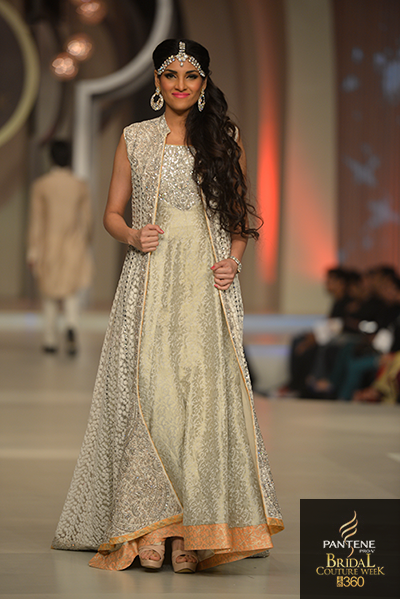
Winter Wedding Dresses Mehndi For Men For Girls White Pictures For Boys Images Wallpapers Pics

Winter Wedding Dresses Mehndi For Men For Girls White Pictures For Boys Images Wallpapers Pics

Winter Wedding Dresses Mehndi For Men For Girls White Pictures For Boys Images Wallpapers Pics

Winter Wedding Dresses Mehndi For Men For Girls White Pictures For Boys Images Wallpapers Pics

Winter Wedding Dresses Mehndi For Men For Girls White Pictures For Boys Images Wallpapers Pics

Winter Wedding Dresses Mehndi For Men For Girls White Pictures For Boys Images Wallpapers Pics

Winter Wedding Dresses Mehndi For Men For Girls White Pictures For Boys Images Wallpapers Pics

Winter Wedding Dresses Mehndi For Men For Girls White Pictures For Boys Images Wallpapers Pics

Winter Wedding Dresses Mehndi For Men For Girls White Pictures For Boys Images Wallpapers Pics

Winter Wedding Dresses Mehndi For Men For Girls White Pictures For Boys Images Wallpapers Pics

Knee Length Wedding Dresses Mehndi For Men For Girls White Pictures For Boys Images Wallpapers Pics

Knee Length Wedding Dresses Definition

source link (google.com.pk)
In ancient times, weddings were based out of commodity, rather than desire or love. In fact, the word "wedding" implies the security the groom's family provides to the family of the bride when the couple marries.[1] Additionally, brides were chosen based on their economic worth. The wedding had little to do with love. This trend lasted until the 19th Century, when couples started to marry for love.

During the 19th Century in America, weddings were usually small family gatherings at the home of either the parents of the bride or the parents of the groom. The ceremonies were intimate and not elaborate. The announcement of the newly married couple took place at their church on the Sunday following the wedding. Weddings did not become elaborate until the 1820s and 1830s, when upper class couples would have wedding ceremonies similar to what is common today. Brides usually wore the best dress she owned, so her dress was not always white, as white dresses were impractical to own. Not until the middle of the 19th century did brides start buying a dress made specifically for her wedding day. At the same time, couples began to hire professionals to prepare floral arrangements and wedding cakes, rather than making them at home.

Today, couples in the United States are waiting later in life to get married. The average age for males getting married in the United States is 27 years old, whereas, women's average age is 25.
The saying, "Something old, something new, something borrowed, something blue, and a silver sixpense inside your shoe," dates back to the Victorian era and requires the bride to accessorize her wedding attire in certain ways to promote good luck in her new marriage. Many brides in the U.S. do this for fun. The "old" is supposed to represent the past, particularly the bond between the bride and her family. The bride might choose to wear a piece of jewelry from one of her elders, or another accessory given to her from an older relative. The "new" represents the couple getting married and their future together. Usually, the bride's wedding gown or wedding ring is used as a new item. "Something borrowed" is something that is taken from the families and meant to be returned. By borrowing something, the bride is continuing the link between herself and her family to maintain loyalty and future comfort. The borrowed item must come from a happily married woman in order to pass on marital happiness onto the new couple. "Something blue" represents the bride's faithfulness and loyalty. Easy ways to incorporate the color blue is for the bride to wear blue flowers in her hair or a blue garter. The silver sixpense is meant to be tucked into the bride's shoe and is supposed to bring the new couple wealth in money and love in their new life together.

Many brides today choose to wear white bridal dresses at their weddings. However, brides before the 19th century just wore the best dress they owned. It wasn't until the 1840s, when Queen Victoria popularized white bridal dresses by choosing to wear white instead of the traditional royal silver dress.

Brides often accompany their white wedding dresses with a veil. Sometimes seen as an accessory today, the veil has a history of symbolizing a bride's modesty and innocence, namely her virginity
Many brides have bridal showers before their wedding, during which she receives gifts from the guests. The bridal shower is usually thrown by the bride's chosen maid of honor and is humorous in nature.[8] Although it is often seen as a fun and relaxing time for the bride, it wasn't always seen that way. Bridal showers originated in Holland for brides who were refused dowry from their fathers. A woman's friends would give her several gifts to allow her to have the necessary dowry to marry whatever man she chose.

Many couples will make precautions so that they will not be able to see each other before their wedding ceremony. Today, this is done merely to uphold tradition and superstition, but the idea stems from the early days when marriages were arranged. In these cases, the bride and groom would meet each other for the first time at their own wedding.
Knee Length Wedding Dresses Mehndi For Men For Girls White Pictures For Boys Images Wallpapers Pics

Knee Length Wedding Dresses Mehndi For Men For Girls White Pictures For Boys Images Wallpapers Pics

Knee Length Wedding Dresses Mehndi For Men For Girls White Pictures For Boys Images Wallpapers Pics

Knee Length Wedding Dresses Mehndi For Men For Girls White Pictures For Boys Images Wallpapers Pics

Knee Length Wedding Dresses Mehndi For Men For Girls White Pictures For Boys Images Wallpapers Pics

Knee Length Wedding Dresses Mehndi For Men For Girls White Pictures For Boys Images Wallpapers Pics

Knee Length Wedding Dresses Mehndi For Men For Girls White Pictures For Boys Images Wallpapers Pics

Knee Length Wedding Dresses Mehndi For Men For Girls White Pictures For Boys Images Wallpapers Pics

Knee Length Wedding Dresses Mehndi For Men For Girls White Pictures For Boys Images Wallpapers Pics

Knee Length Wedding Dresses Mehndi For Men For Girls White Pictures For Boys Images Wallpapers Pics

Knee Length Wedding Dresses Mehndi For Men For Girls White Pictures For Boys Images Wallpapers Pics

Italian Wedding Dresses Mehndi For Men For Girls White Pictures For Boys Images Wallpapers Pics
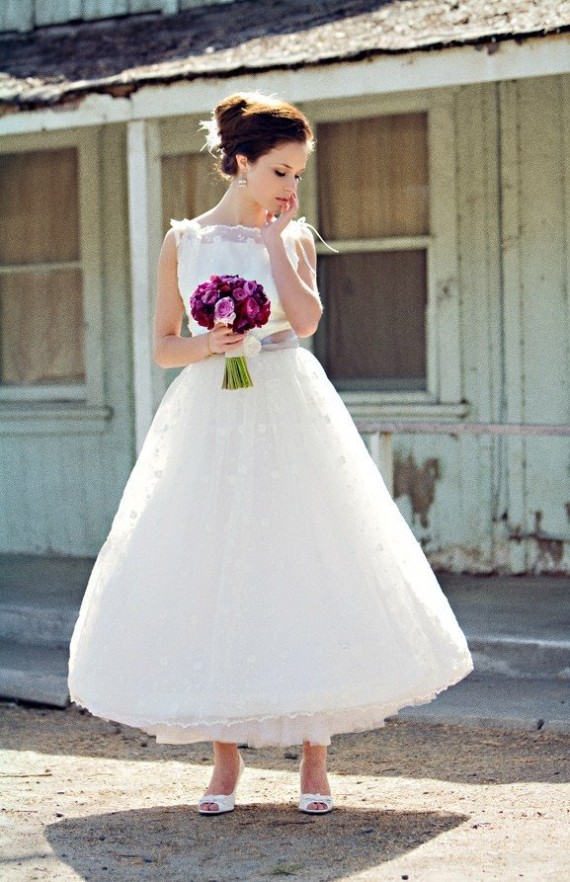
Italian Wedding Dresses Definition

source link (google.com.pk)
In ancient times, weddings were based out of commodity, rather than desire or love. In fact, the word "wedding" implies the security the groom's family provides to the family of the bride when the couple marries.[1] Additionally, brides were chosen based on their economic worth. The wedding had little to do with love. This trend lasted until the 19th Century, when couples started to marry for love.

During the 19th Century in America, weddings were usually small family gatherings at the home of either the parents of the bride or the parents of the groom. The ceremonies were intimate and not elaborate. The announcement of the newly married couple took place at their church on the Sunday following the wedding. Weddings did not become elaborate until the 1820s and 1830s, when upper class couples would have wedding ceremonies similar to what is common today. Brides usually wore the best dress she owned, so her dress was not always white, as white dresses were impractical to own. Not until the middle of the 19th century did brides start buying a dress made specifically for her wedding day. At the same time, couples began to hire professionals to prepare floral arrangements and wedding cakes, rather than making them at home.

Today, couples in the United States are waiting later in life to get married. The average age for males getting married in the United States is 27 years old, whereas, women's average age is 25.
The saying, "Something old, something new, something borrowed, something blue, and a silver sixpense inside your shoe," dates back to the Victorian era and requires the bride to accessorize her wedding attire in certain ways to promote good luck in her new marriage. Many brides in the U.S. do this for fun. The "old" is supposed to represent the past, particularly the bond between the bride and her family. The bride might choose to wear a piece of jewelry from one of her elders, or another accessory given to her from an older relative. The "new" represents the couple getting married and their future together. Usually, the bride's wedding gown or wedding ring is used as a new item. "Something borrowed" is something that is taken from the families and meant to be returned. By borrowing something, the bride is continuing the link between herself and her family to maintain loyalty and future comfort. The borrowed item must come from a happily married woman in order to pass on marital happiness onto the new couple. "Something blue" represents the bride's faithfulness and loyalty. Easy ways to incorporate the color blue is for the bride to wear blue flowers in her hair or a blue garter. The silver sixpense is meant to be tucked into the bride's shoe and is supposed to bring the new couple wealth in money and love in their new life together.

Many brides today choose to wear white bridal dresses at their weddings. However, brides before the 19th century just wore the best dress they owned. It wasn't until the 1840s, when Queen Victoria popularized white bridal dresses by choosing to wear white instead of the traditional royal silver dress.

Brides often accompany their white wedding dresses with a veil. Sometimes seen as an accessory today, the veil has a history of symbolizing a bride's modesty and innocence, namely her virginity
Many brides have bridal showers before their wedding, during which she receives gifts from the guests. The bridal shower is usually thrown by the bride's chosen maid of honor and is humorous in nature.[8] Although it is often seen as a fun and relaxing time for the bride, it wasn't always seen that way. Bridal showers originated in Holland for brides who were refused dowry from their fathers. A woman's friends would give her several gifts to allow her to have the necessary dowry to marry whatever man she chose.

Many couples will make precautions so that they will not be able to see each other before their wedding ceremony. Today, this is done merely to uphold tradition and superstition, but the idea stems from the early days when marriages were arranged. In these cases, the bride and groom would meet each other for the first time at their own wedding.

Italian Wedding Dresses Mehndi For Men For Girls White Pictures For Boys Images Wallpapers Pics
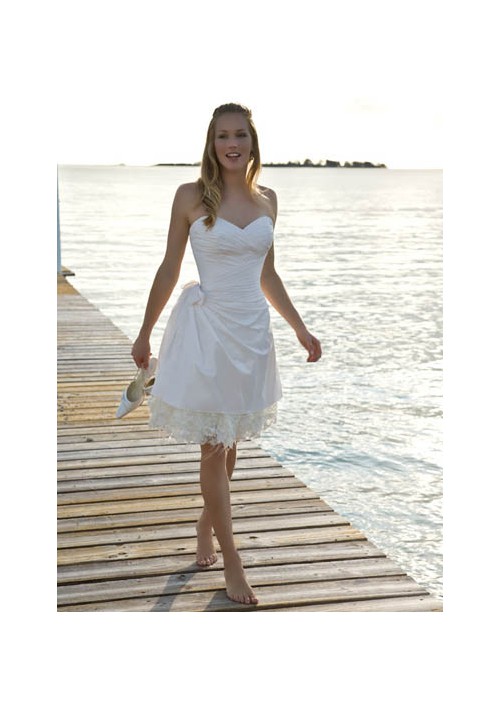
Italian Wedding Dresses Mehndi For Men For Girls White Pictures For Boys Images Wallpapers Pics

Italian Wedding Dresses Mehndi For Men For Girls White Pictures For Boys Images Wallpapers Pics

Italian Wedding Dresses Mehndi For Men For Girls White Pictures For Boys Images Wallpapers Pics

Italian Wedding Dresses Mehndi For Men For Girls White Pictures For Boys Images Wallpapers Pics

Italian Wedding Dresses Mehndi For Men For Girls White Pictures For Boys Images Wallpapers Pics

Italian Wedding Dresses Mehndi For Men For Girls White Pictures For Boys Images Wallpapers Pics

Italian Wedding Dresses Mehndi For Men For Girls White Pictures For Boys Images Wallpapers Pics

Italian Wedding Dresses Mehndi For Men For Girls White Pictures For Boys Images Wallpapers Pics

Italian Wedding Dresses Mehndi For Men For Girls White Pictures For Boys Images Wallpapers Pics

Italian Wedding Dresses Mehndi For Men For Girls White Pictures For Boys Images Wallpapers Pics